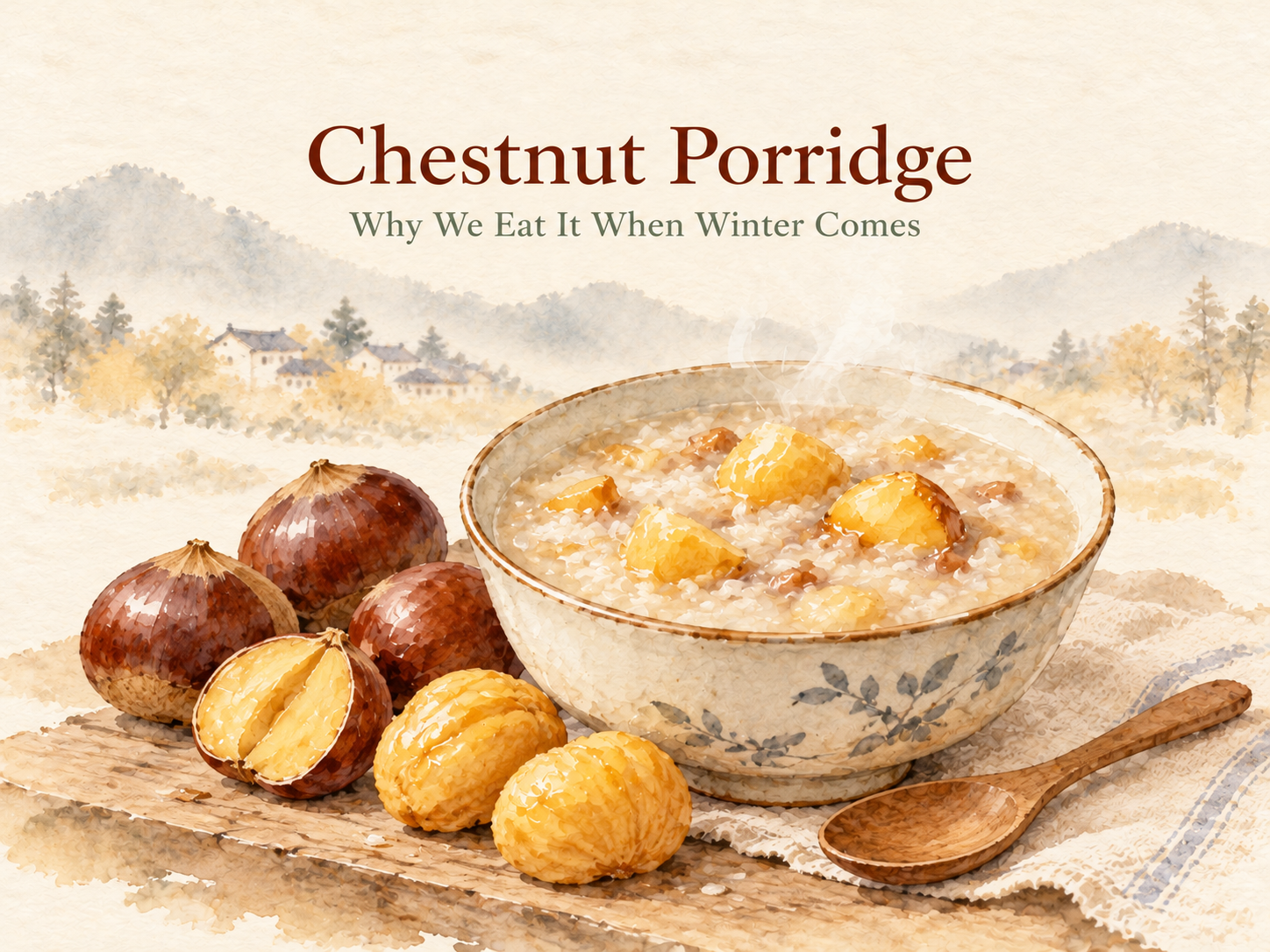
From a familiar winter food to the TCM ideas of storing, the Kidney, and seasonal nourishment.
When the weather turns cold, chestnuts seem to be everywhere.
We eat roasted chestnuts while they are still warm, peeling them one by one. At home, we can also chop up a few chestnuts and cook them with rice. The porridge is soft, slightly sweet, and wonderfully simple.
In Chinese food traditions, eating with the seasons has always mattered. In winter, Traditional Chinese Medicine (TCM) speaks of cang (藏).
1. What Does Cang Mean in TCM?
The Huangdi Neijing (Yellow Emperor's Inner Classic) says:
“冬三月,此谓闭藏。”
Here, bi cang (闭藏) describes how life draws inward during the three winter months, conserving rather than expanding.
Look at what happens in nature. Many trees have shed their leaves, plants grow more slowly, and animals shelter from the cold.
TCM’s guidance for winter emphasizes keeping warm, getting adequate rest, and avoiding unnecessary exhaustion.
TCM also connects cang with the Kidney (shen, 肾).
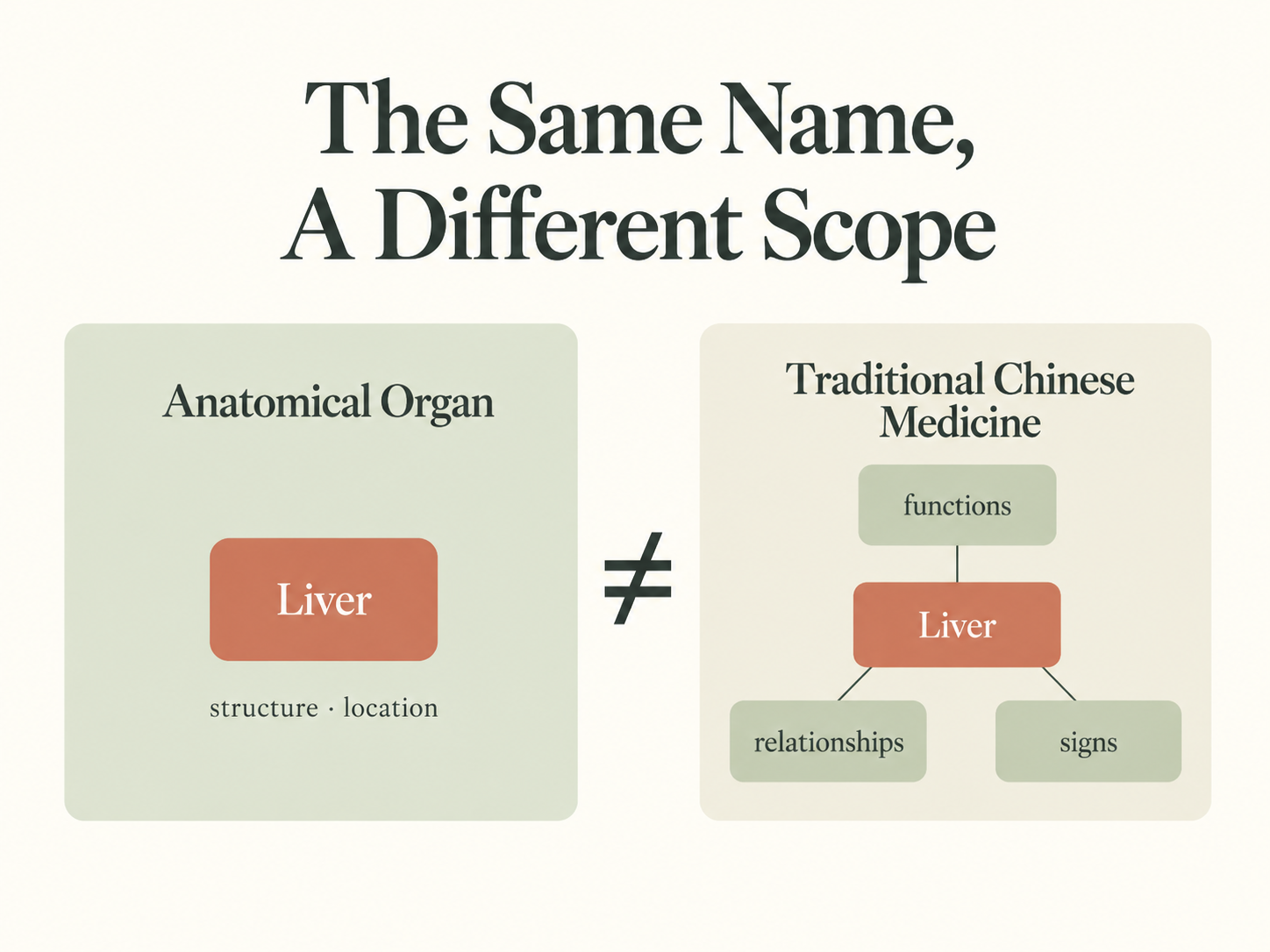
One of the Kidney's important functions in TCM is storing jing (精), or essence. The TCM Kidney is not simply the anatomical kidneys, and jing is a distinct concept within traditional Chinese medicine.
But what does this have to do with chestnuts?
2. Why Are Chestnuts Considered Nourishing?
In Chinese food therapy, chestnuts are valued for more than their taste.
The Bencao Gangmu (Compendium of Materia Medica) preserves an earlier description from Mingyi Bielu, recording three traditional actions of chestnuts:
“益气、厚肠胃、补肾气。”
These mean supporting qi, strengthening the Stomach and intestines, and nourishing Kidney qi within the TCM framework.
Li Shizhen also wrote:
“栗于五果属水。”
Among the Five Fruits, chestnuts belong to Water.
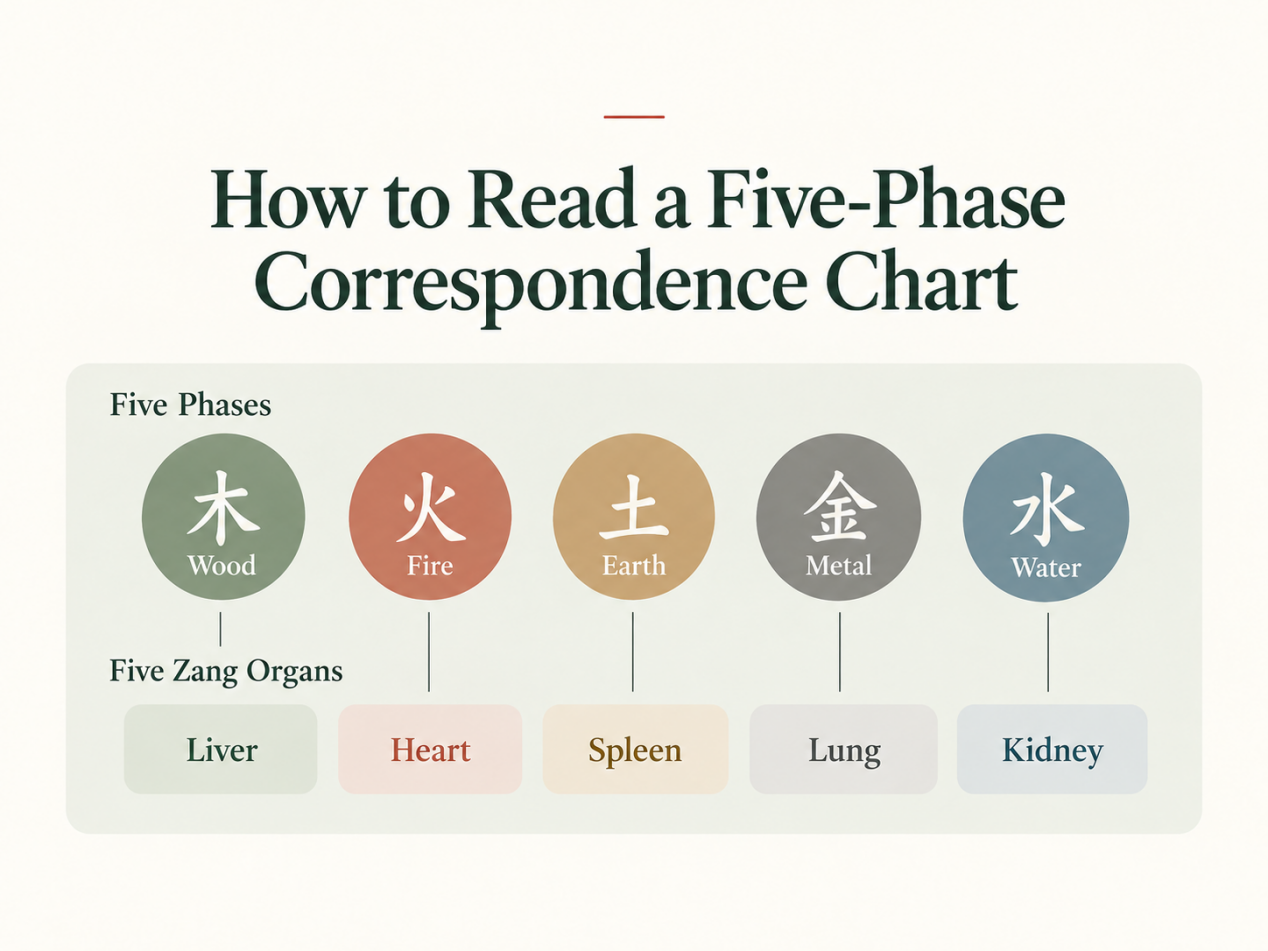
In the Five Phases (Wu Xing), Water corresponds to the Kidney. This is why chestnuts are also called “the fruit of the Kidney” (shen zhi guo, 肾之果). The name also appears in an earlier statement by Sun Simiao, quoted in the Bencao Gangmu.
Traditionally suitable for: People with Kidney qi deficiency, soreness or weakness in the lower back and knees, or Spleen–Stomach deficiency-cold with poor appetite and loose stools.
Who should eat less: People prone to bloating, indigestion, or constipation. Anyone managing blood sugar should also pay attention to portion size.
Chestnuts are best eaten in moderation. Eating too many can cause digestive discomfort.
Recipe
3. Recipe: Chestnut Rice Porridge
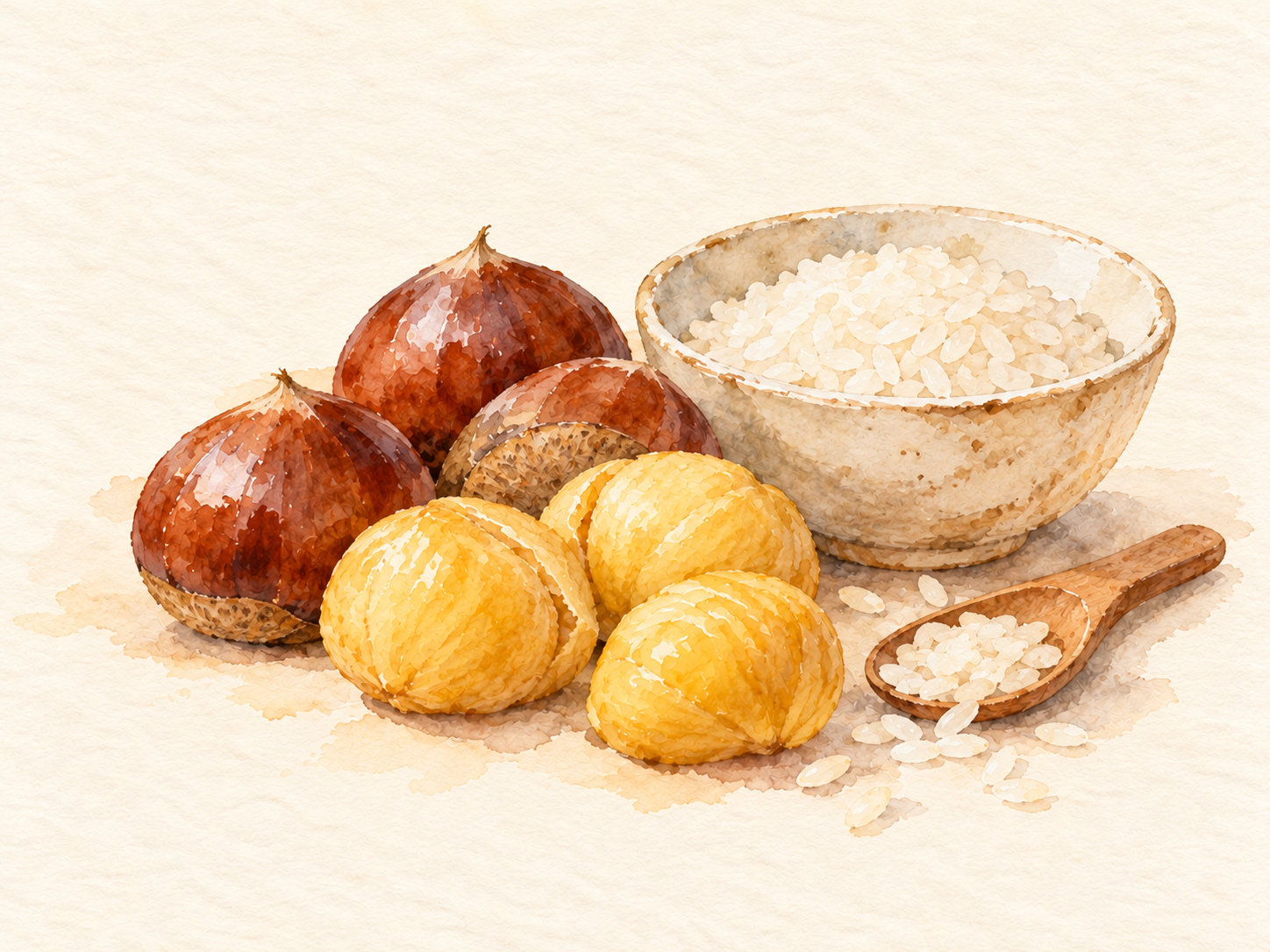
Ingredients · 1 serving
- About 5 chestnuts
- One usual serving of uncooked rice
- 800 ml water
Method
- Make a cross-shaped cut on the rounded side of each chestnut shell. Soak the chestnuts in freshly boiled water for about 8 minutes, then carefully peel them.
- Cut the peeled chestnuts into small pieces and rinse the rice.
- Put the chestnuts and rice into a rice cooker. Add 800 ml water and select the porridge setting. Cook until the rice and chestnuts are tender.
The result is a warm, gently sweet porridge. There is no need for complicated seasoning.
4. A Warm Bowl of Chestnut Porridge
On a cold day, a warm bowl of chestnut porridge is simple and comforting.
In TCM, chestnuts are valued for their nourishing properties. Food therapy is about choosing what suits your body and eating the right amount.
Related Reading
- How to Read a Five-Phase Correspondence Chart — Understand the Five Phases and their traditional correspondences.
- Why Traditional Chinese Medicine Organ Names Are Not the Same as Anatomical Organs — Understand what the TCM Kidney means.
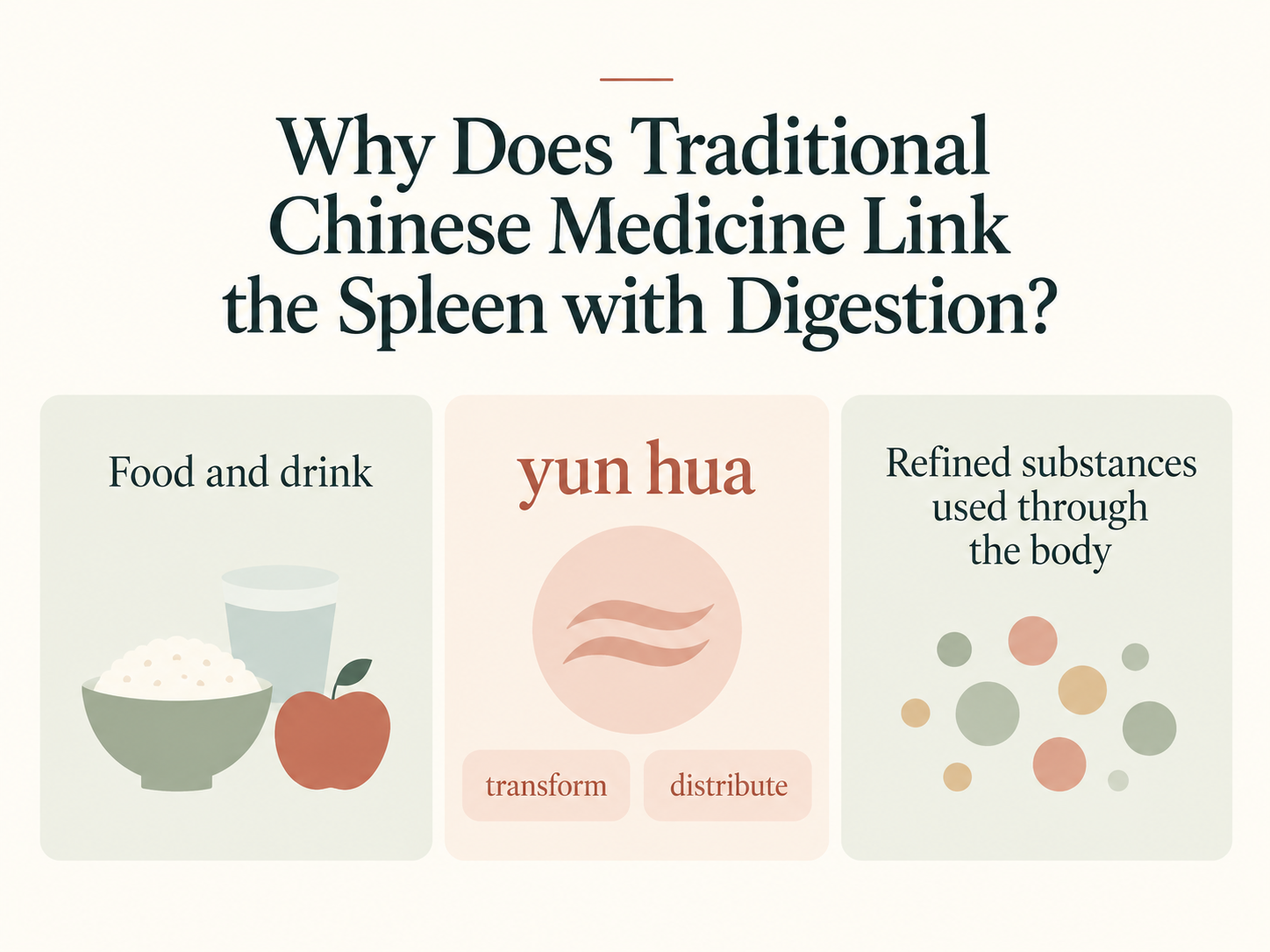
- Why Does Traditional Chinese Medicine Link the Spleen with Digestion? — Explore the traditional Spleen and Stomach framework.
References
- Huangdi Neijing, Suwen, “Discourse on Regulating the Spirit in Accordance with the Four Seasons” (四气调神大论).
- Bencao Gangmu, Fruits Section I, “Chestnut” (栗), including quotations from Mingyi Bielu and Sun Simiao.
- China Traditional Chinese Medicine News, “Chestnuts: Nourishing the Stomach and Spleen, Supporting the Kidney and Strengthening the Muscles and Bones” (2024).