Wu Xing / Five Phases
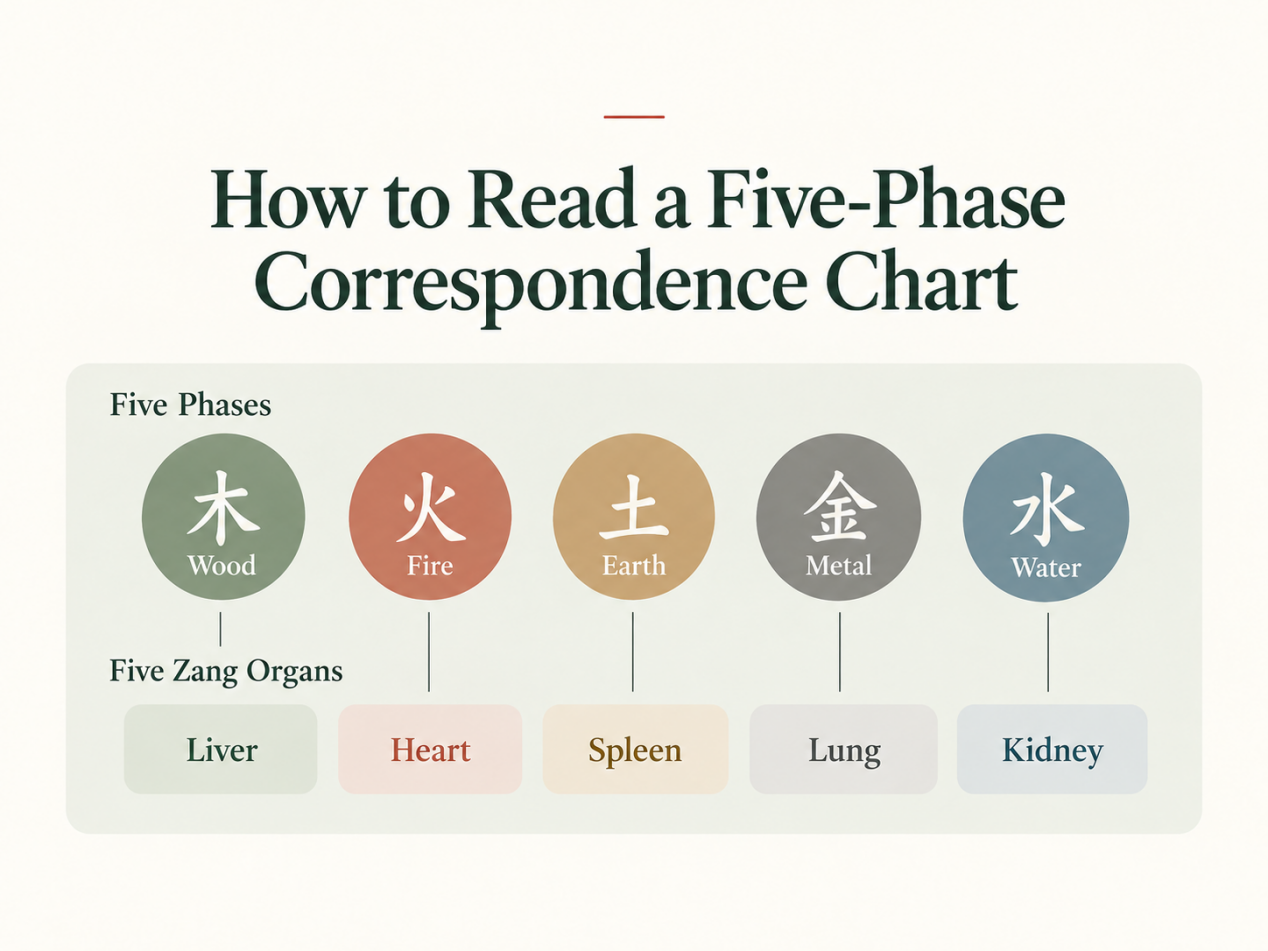
How to Read a Five-Phase Correspondence Chart
Read two Five-Phase correspondence charts and understand how qualities connect Wood, Fire, Earth, Metal and Water with the body and natural world.
ReadA Vicky Wellbeing knowledge system
Begin with the concepts.
Understand them in context.
A connected way of thinking about relationships, change and the human body. These introductory articles explain traditional concepts in context and make their limits clear.
Choose a starting point
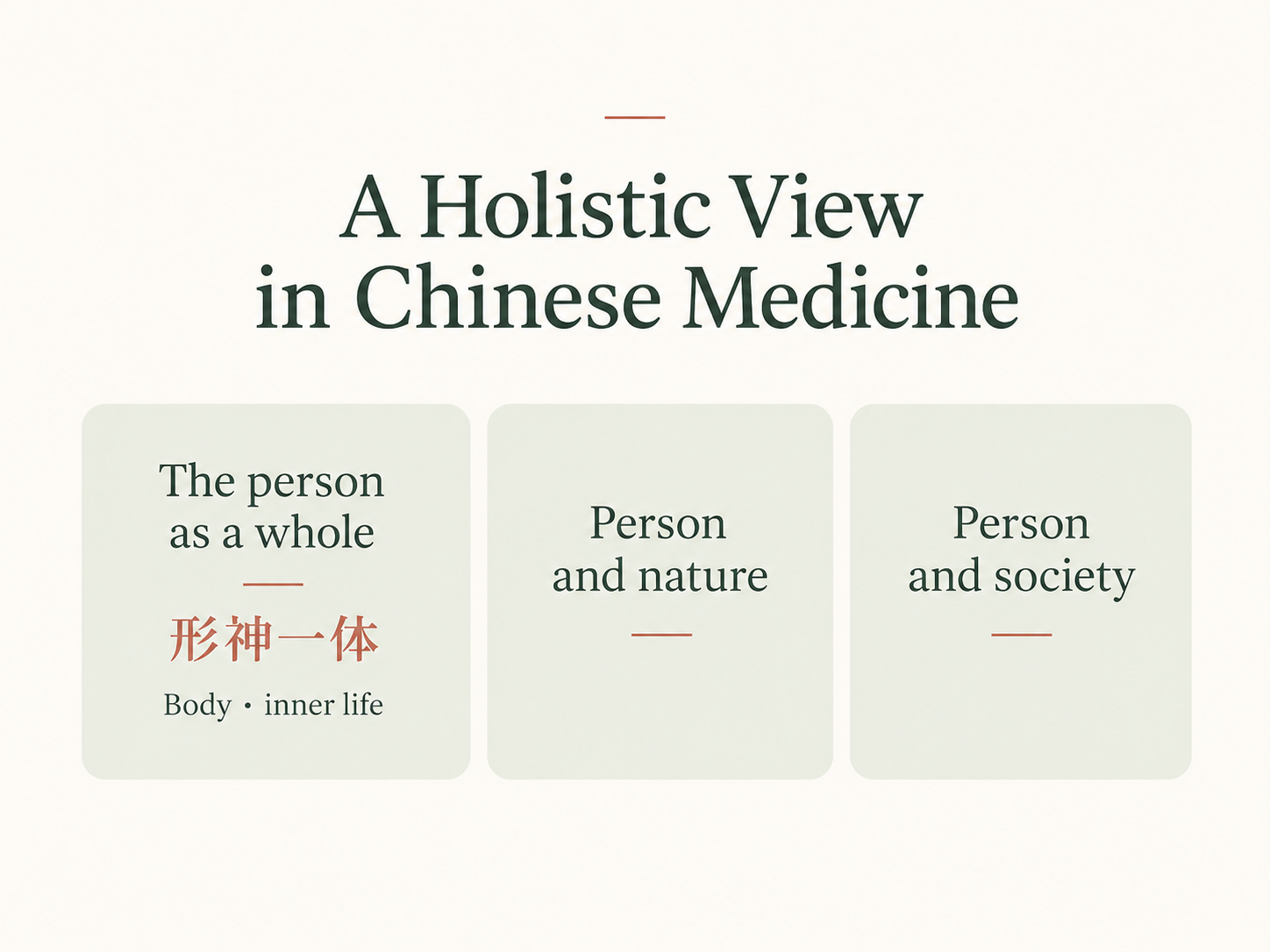
A holistic view of the person, connecting body, inner life, natural environment and social world.
Explore02 · 2 articlesTwo complementary terms for understanding relative qualities and changing relationships.
Explore03 · 3 articlesA five-part framework for considering processes and relationships, rather than five physical ingredients.
Explore04 · 4 articlesA traditional model of bodily functions and relationships whose terms should not be equated directly with anatomical organs.
ExploreA map for your reading
The ideas and relationships that shape the system.
Chinese Medical Worldview & HolismYin & YangWu Xing / Five PhasesA connected model of functions, substances and relationships.
Zang-Fu: A Different Model of the BodyLearning the language of Qi, Blood, Body Fluids and Essence.
Individual differences and the contexts in which illness develops.
Patterns of change, progression and response.
Principles of care and the cultivation of everyday life.
Follow a question. Find the next connection.
Wu Xing / Five Phases
Read two Five-Phase correspondence charts and understand how qualities connect Wood, Fire, Earth, Metal and Water with the body and natural world.
ReadWu Xing / Five Phases
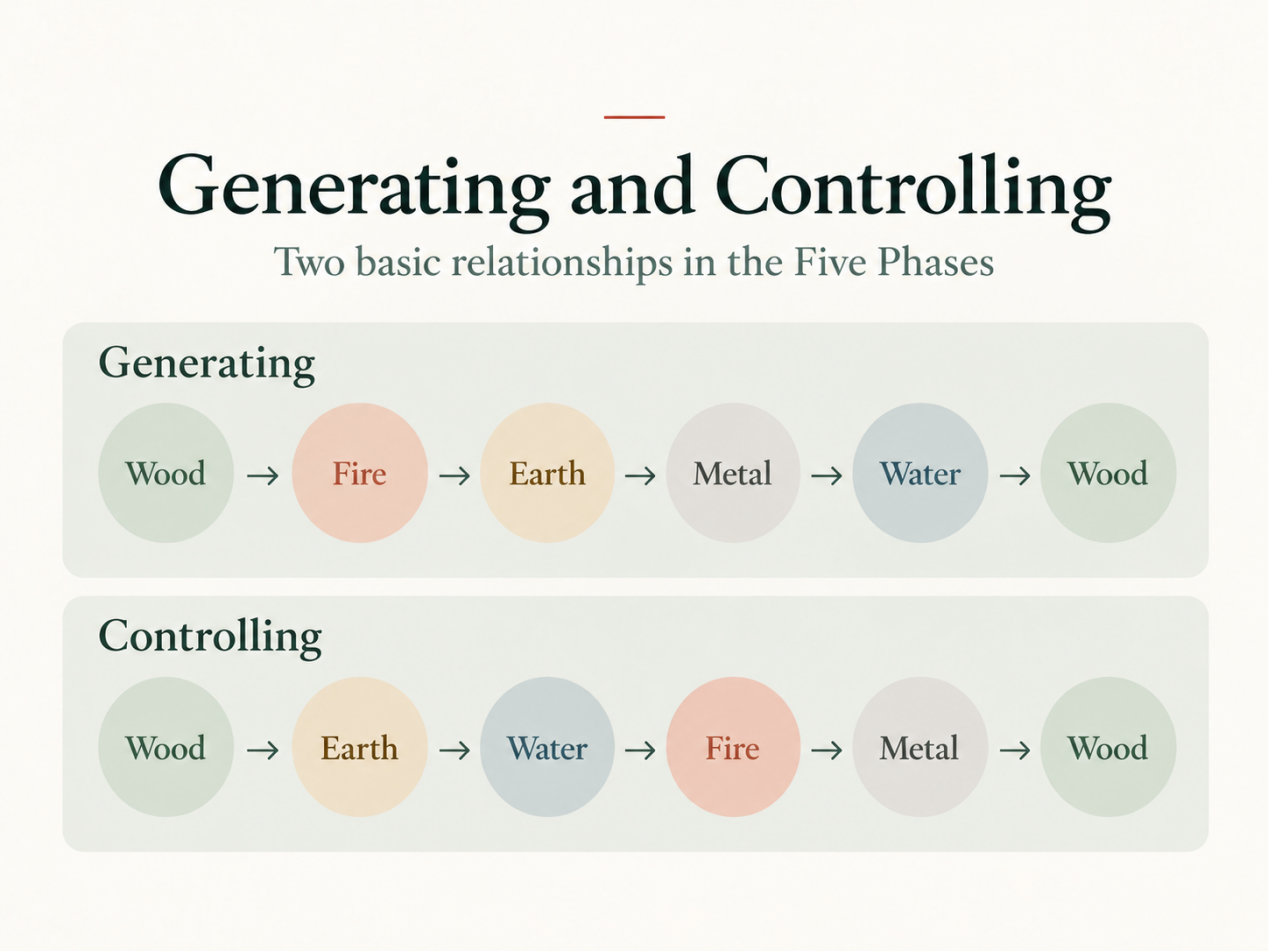
Understand how the Five Phases generate and control one another in Traditional Chinese Medicine, with clear sequences and everyday memory images.
ReadWu Xing / Five Phases
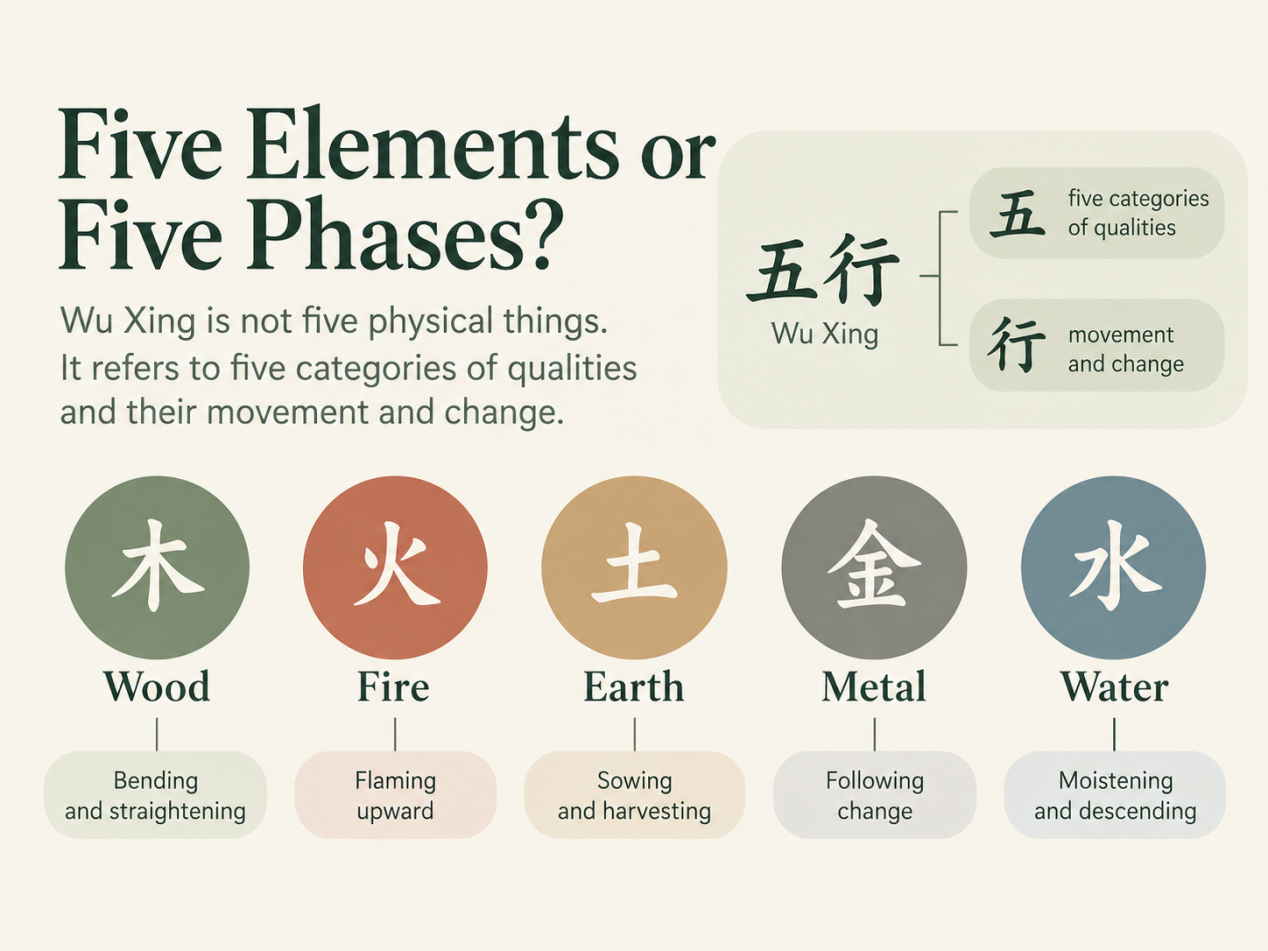
Learn what Wu Xing means in Traditional Chinese Medicine through Wood, Fire, Earth, Metal and Water, their qualities, movement and change.
ReadChinese Medical Worldview & Holism
Learn how Traditional Chinese Medicine begins with a holistic view of the person, connecting the body, inner life, natural environment and social world.
ReadZang-Fu: A Different Model of the Body
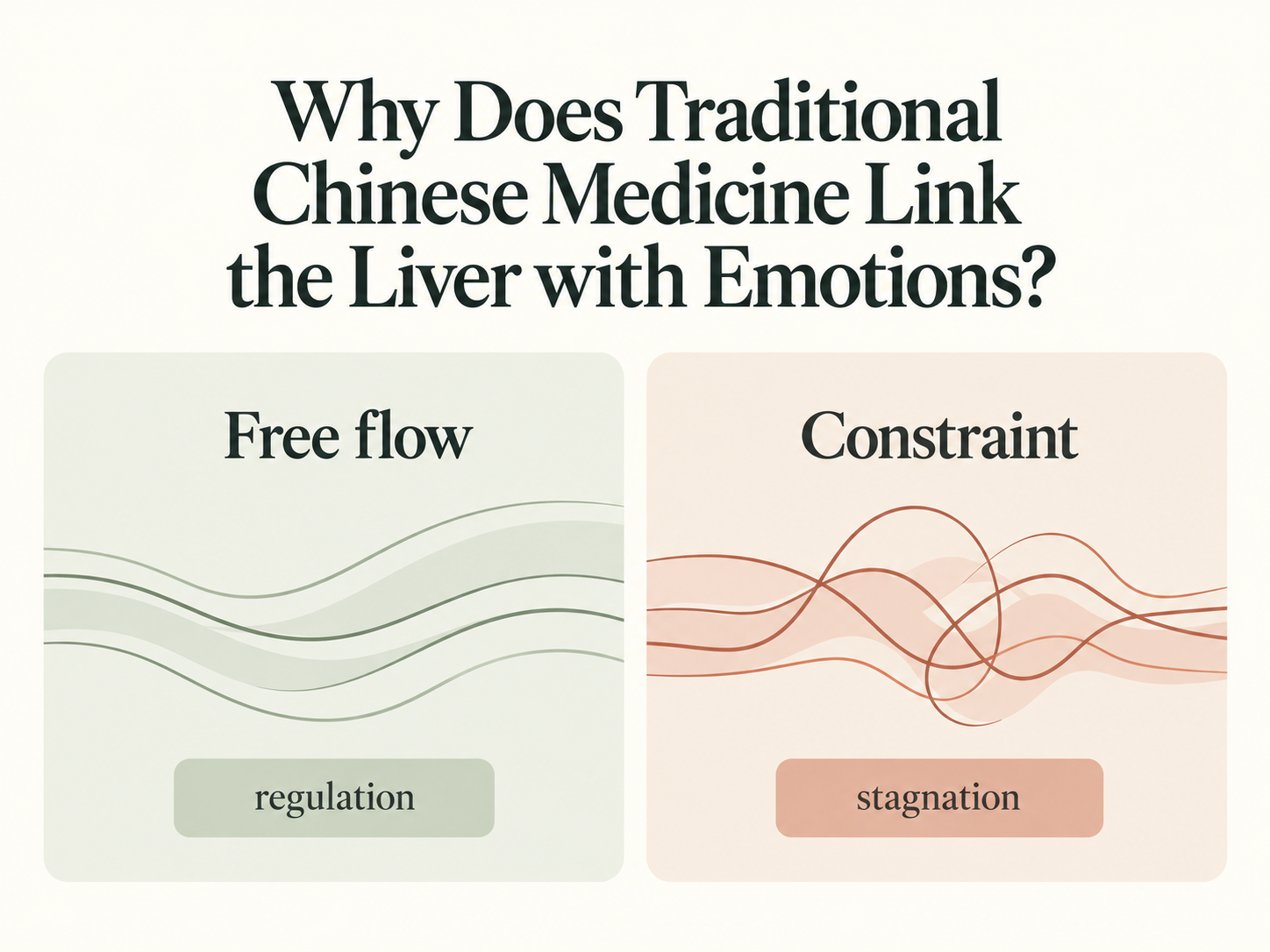
Explore the traditional Liver, shu xie and emotional life without equating feelings with liver disease or blaming people for their emotions.
ReadZang-Fu: A Different Model of the Body
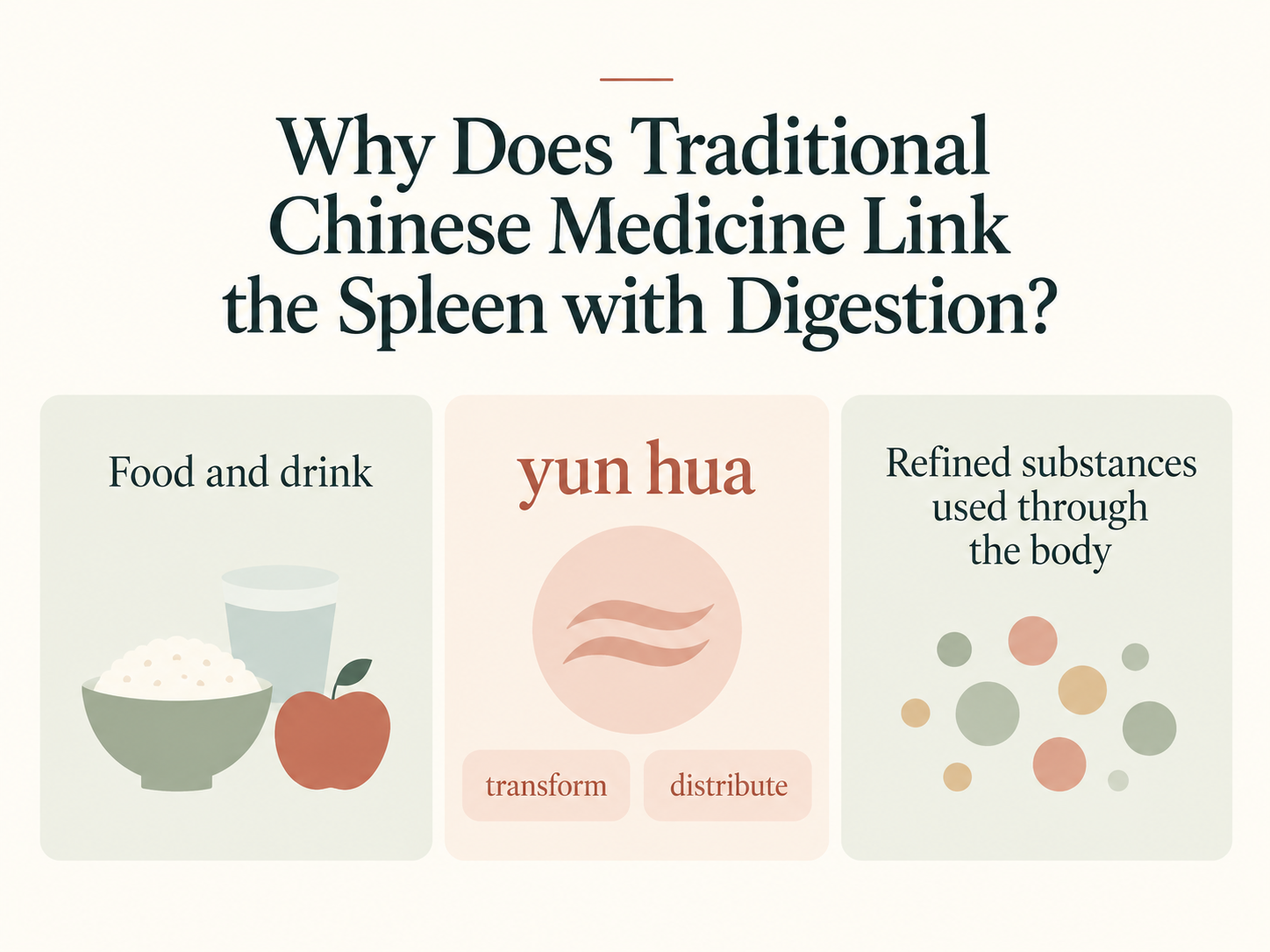
Understand the TCM Spleen’s transformation and transportation role, its relationship with Stomach, and why it differs from the anatomical spleen.
ReadZang-Fu: A Different Model of the Body
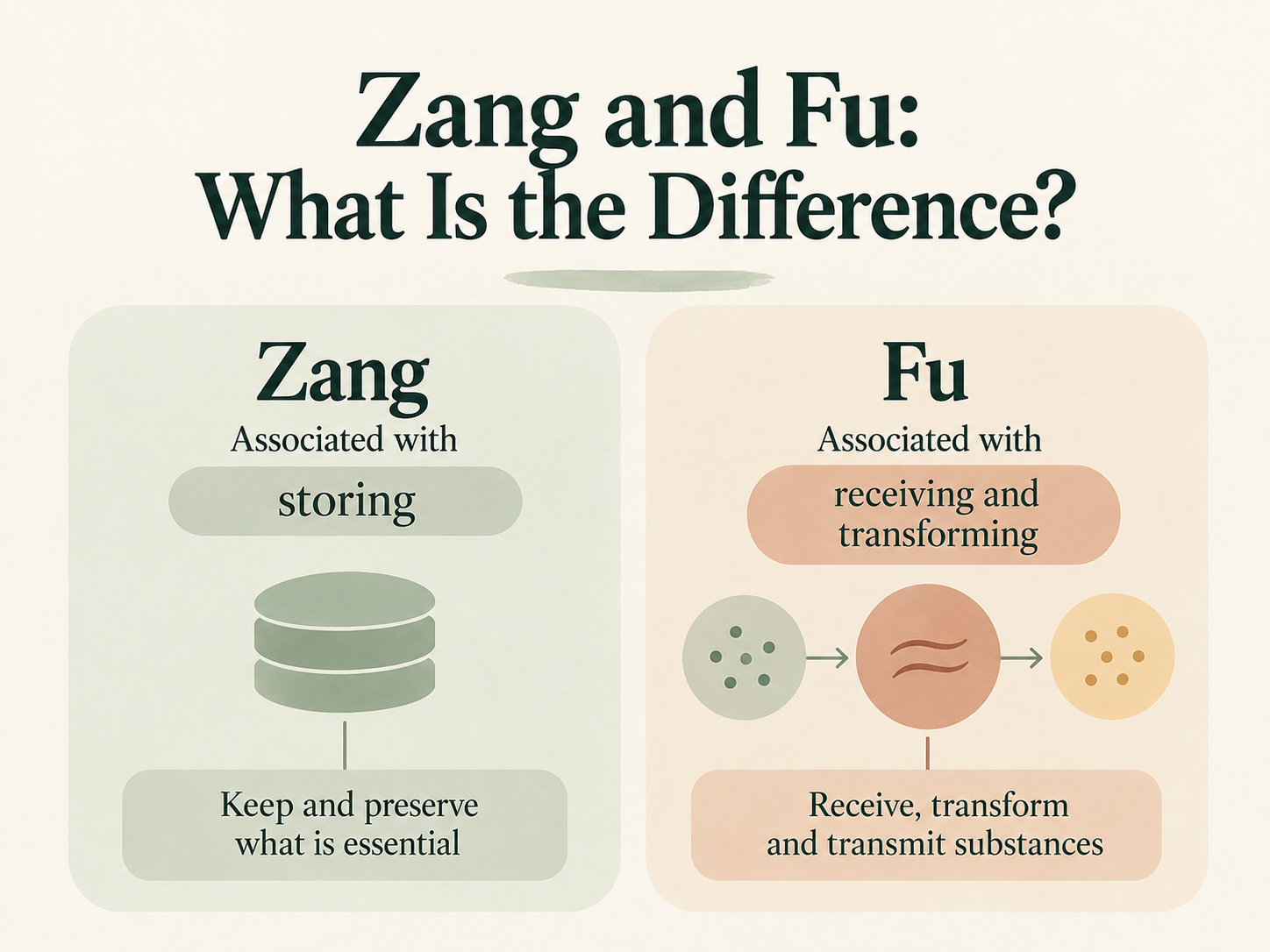
Learn the difference between Zang and Fu in Traditional Chinese Medicine, including the five Zang organs, the six Fu organs, and why the Gallbladder is considered special.
ReadZang-Fu: A Different Model of the Body
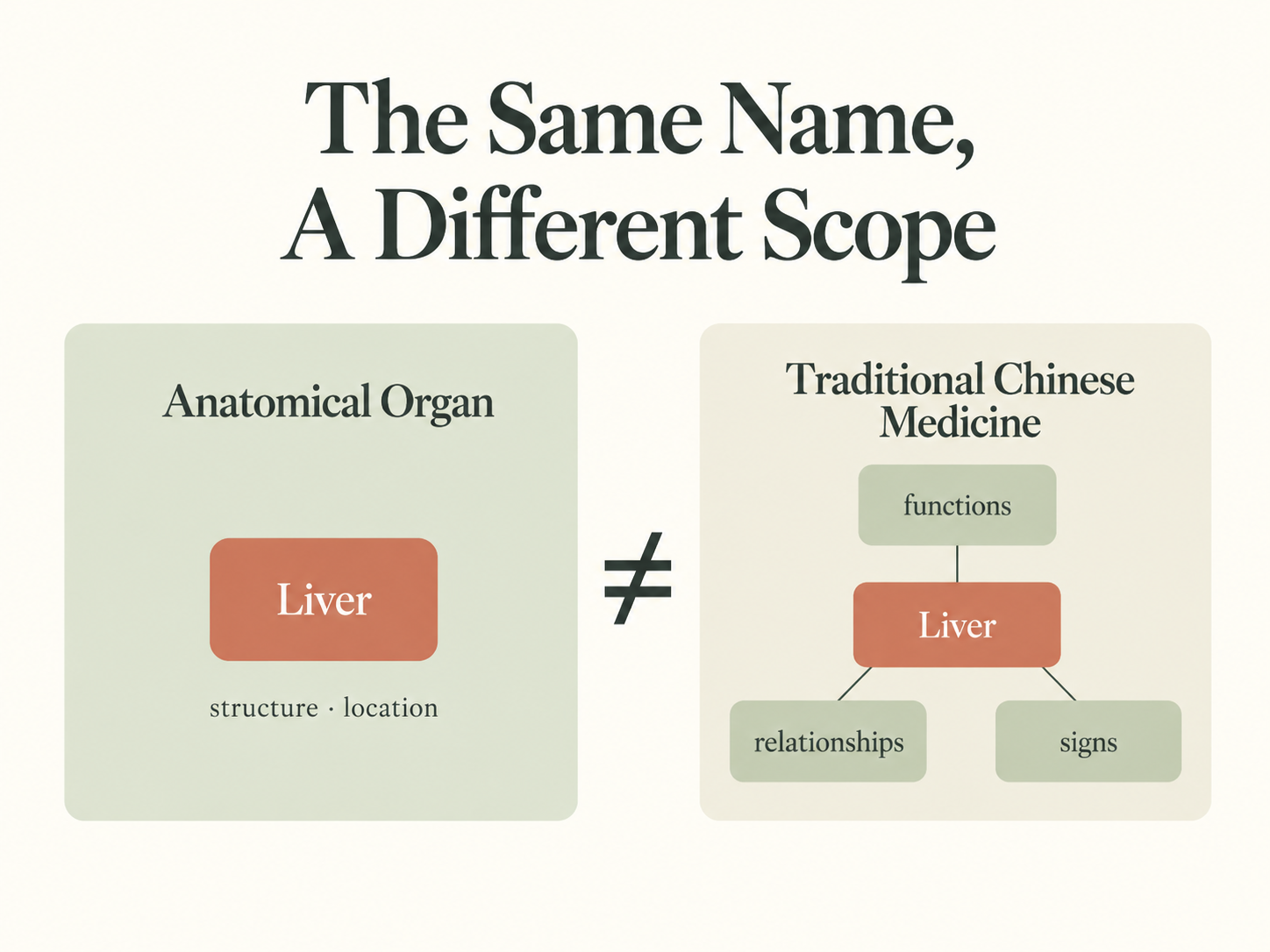
Learn why Liver, Heart, Spleen, Lung and Kidney in TCM refer to more than the anatomical organs with the same names, and how to read these terms in context.
ReadYin & Yang
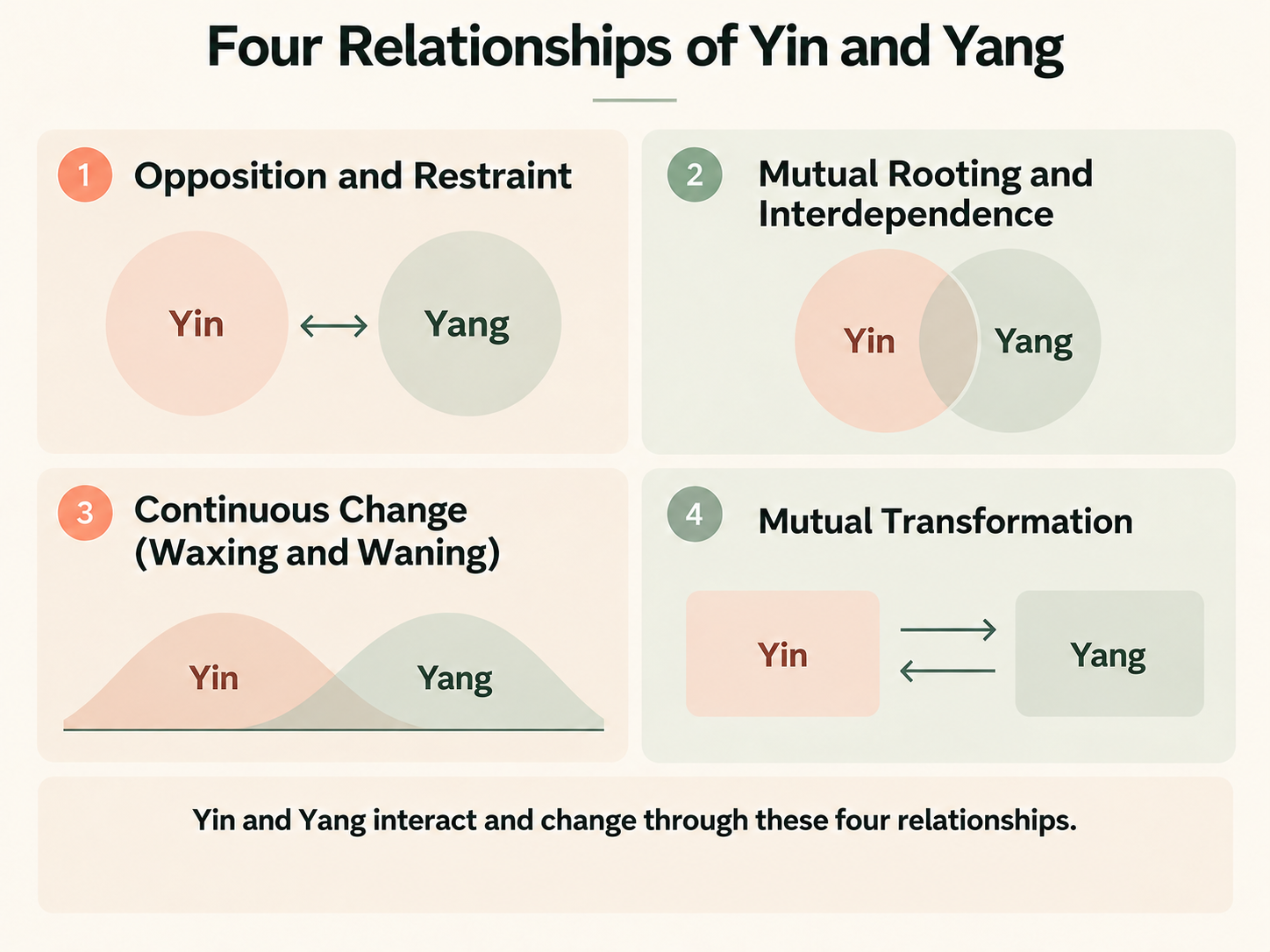
Understand four core Yin–Yang relationships in Traditional Chinese Medicine: opposition and restraint, interdependence, waxing and waning, and transformation.
ReadYin & Yang
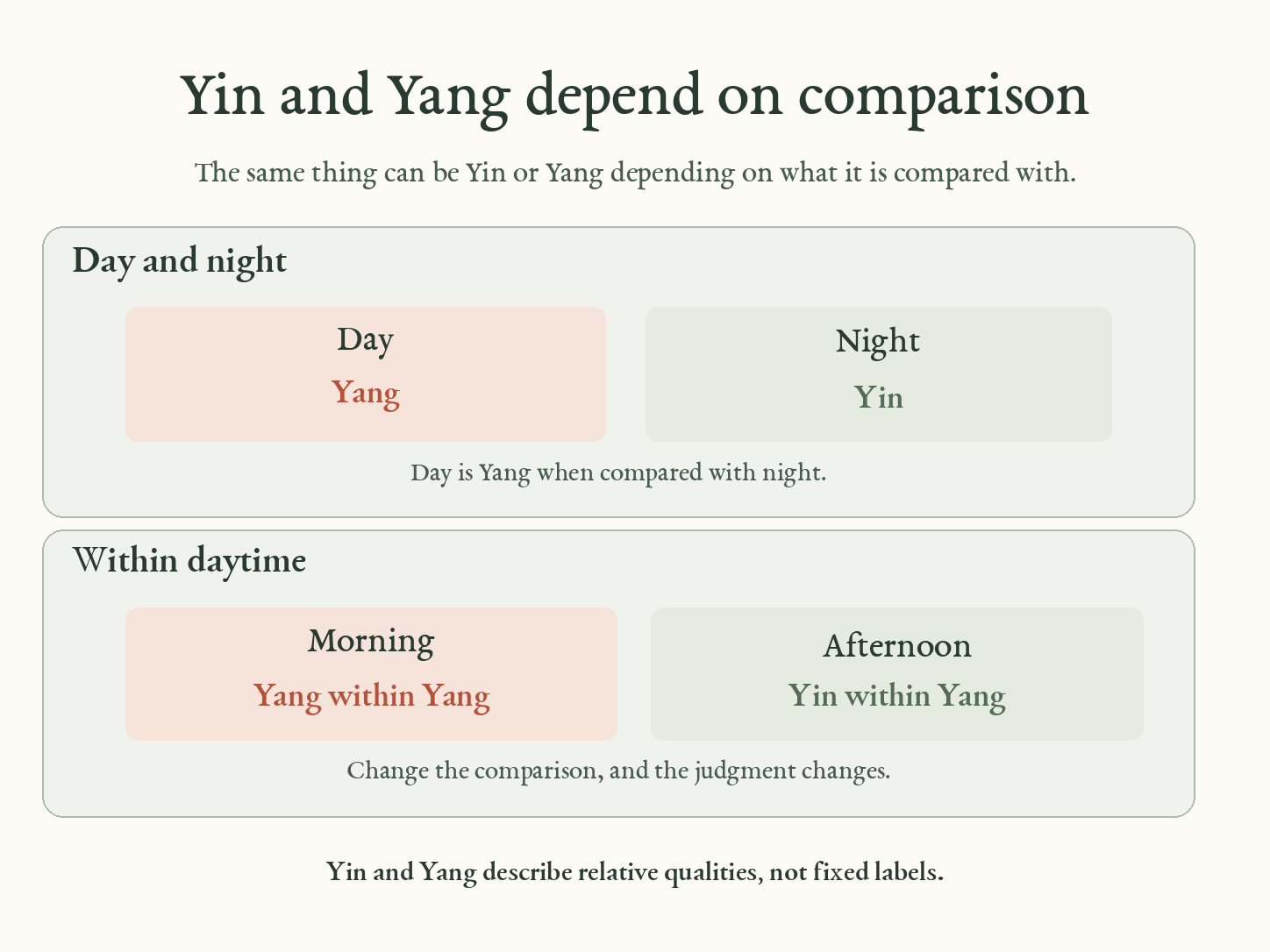
Learn what Yin and Yang mean in Traditional Chinese Medicine, why their qualities are relative, and how comparison changes the way they are understood.
Read